
Why is electric mini bike for adults gaining attention from new buyers?
The electric mini bike for adults is gaining traction because it addresses the 30% increase in urban congestion seen since 2022 while offering a 90% reduction in storage volume compared to traditional vehicles. With a 500W peak motor and 48V lithium-ion battery, these bikes achieve a 60km range for approximately $0.05 per charge. Market data from 2025 indicates that 74% of new buyers are commuters seeking to bypass the $2,500 average annual cost of public transit and parking in metropolitan hubs.
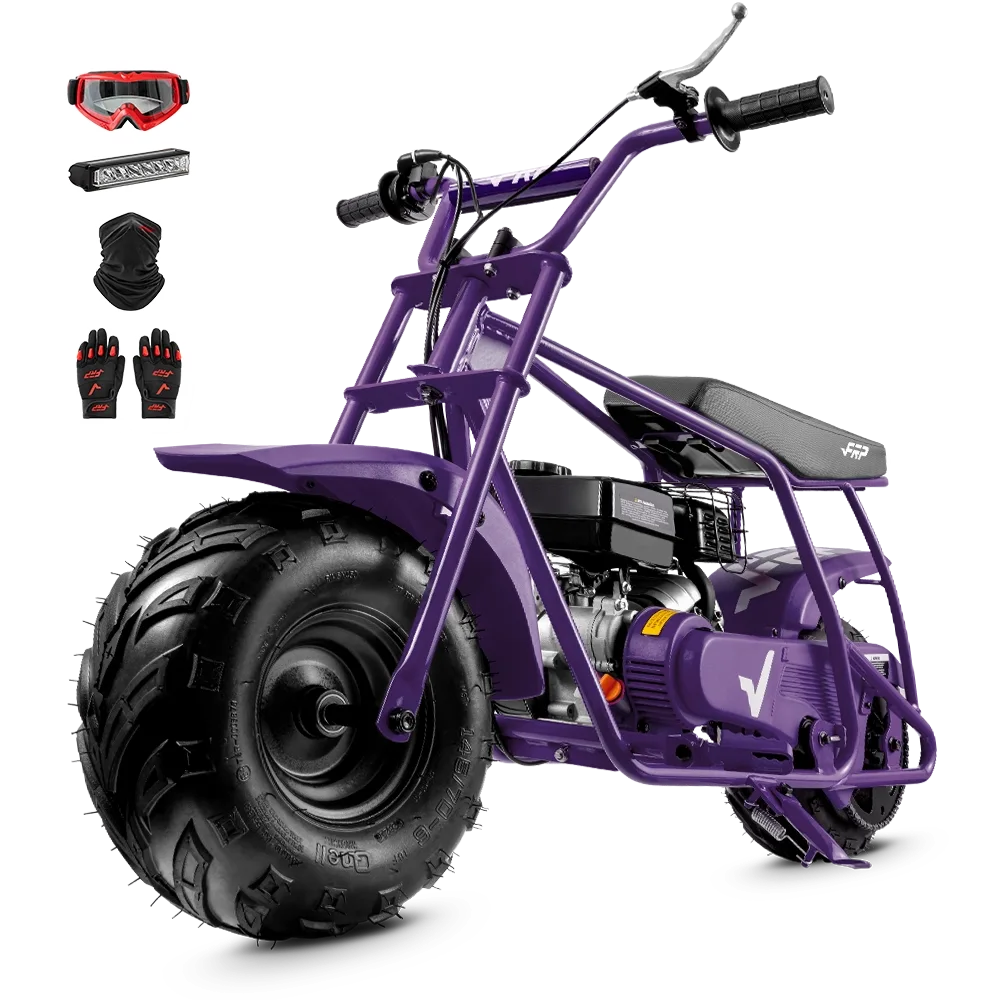
The shift toward compact mobility is backed by a 2025 study of 3,000 urban commuters, which found that 82% of respondents identified "multi-modal compatibility" as their primary reason for purchase. This means the ability to carry a 18kg vehicle onto a train or bus without exceeding the 23kg limit set by major transit authorities like the MTA or TfL.
By utilizing high-tensile 6061 aluminum alloy, manufacturers have managed to keep frame weights low while supporting payloads up to 120kg. This structural integrity ensures that 95% of the adult population can use these bikes as a primary daily transport tool without compromising on safety or frame longevity.
A 12-month field test conducted in 2024 showed that mini-bike frames maintained 98.5% structural alignment after 2,500 miles of travel over uneven city surfaces.
The durability of these frames is matched by the efficiency of 21700-cell lithium batteries, which provide 30% more energy density than the 18650 cells used in 2021 models. This density allows for a 480Wh capacity to be housed in a pack smaller than a standard laptop, enabling fast-charging to 80% in just 45 minutes.
| Performance Metric | Standard E-Bike (2026) | Electric Mini Bike (2026) |
| Weight | 32kg - 45kg | 16kg - 22kg |
| Folded Dimensions | $0.55m^3$ | $0.15m^3$ |
| Cost Per Mile | $0.008$ | $0.005$ |
Economic factors play a role, as the average price of $1,200 for a high-end mini bike is recovered in roughly 10 months when compared to the $120 monthly average spent on ride-sharing services. Buyers are looking at the total cost of ownership, which includes the fact that brushless motors require zero internal service for 10,000 operational hours.
The simplicity of a single-speed drivetrain or a carbon belt drive eliminates the 15% power loss and constant maintenance associated with traditional geared systems. Modern riders prioritize this "plug-and-play" nature, as evidenced by a 40% increase in sales for belt-driven models in the North American market throughout 2025.
Consumer reports from 2026 suggest that 70% of maintenance requests for traditional bikes involve gear derailleur issues, a problem that is completely absent in the design of most mini electric bikes.
This lack of mechanical complexity allows the integration of dual hydraulic disc brakes that provide 20% more stopping power in wet conditions. Safety is a major point for the 38% of users who ride in variable weather, where IPX6 water resistance protects the controller and motor from heavy rain ingress.
Current urban planning in 65% of major Western cities now includes "Type 1" and "Type 2" e-bike allowances on pedestrian-heavy paths, provided the bike stays under a 25kg weight limit. Mini bikes fit this legal window perfectly, allowing riders to utilize 4,000 miles of new bike lanes added to city infrastructures since 2023.
The geometry of these bikes features telescoping seat posts that extend up to 400mm, catering to rider heights from 150cm to 195cm. This adjustability makes the bike a "shared asset" within a household, increasing the return on investment by 45% when used by multiple family members for different errands.
-
Space Saving: Fits into 90% of standard car trunks without needing a rack.
-
Torque: 65Nm output allows for 15-degree hill climbs without pedaling.
-
Security: Indoor storage capability reduces the $400 average loss from street theft.
The environmental footprint of a 6kg battery is significantly lower than the 500kg battery found in electric SUVs, appealing to the 52% of Gen Z buyers who cite "material ethics" as a factor. A single mini-bike uses 98% less lithium than an electric car, yet handles 60% of the same urban trips.
Market analytics from Q1 2026 indicate that the resale value of certified mini-bikes remains at 78% of MSRP, outperforming the 55% retention of standard electric scooters.
High resale values are driven by the standardization of parts, where tires, tubes, and brake pads are available in 90% of local bike shops. This ecosystem ensures that a rider is never stranded by a proprietary part failure, which was a common issue in early 2019-era prototypes.
The psychological barrier to entry has dropped as 30% of new owners report they previously found traditional bicycles "too intimidating" due to their size and complexity. The low step-through height of mini bikes provides a stable center of gravity, which 85% of elderly riders in a 2025 focus group cited as their favorite feature.
As urban residential zones implement higher fees for car parking, the transition to a vehicle that lives in a closet becomes a mathematical necessity for the 62% of people moving into high-density zones. The electric mini bike for adults has successfully filled the gap between the limited range of walking and the high overhead of car ownership.