
How to maintain wheels on a mini bike frame build?
Regular maintenance is the core to ensuring the performance of mini bicycle wheel sets. It is recommended to conduct a basic check every 50 kilometers or every two weeks, with key points including tire pressure, spoke tension and bearing smoothness. According to a 2023 survey by the United States Cycling Association, vehicles that undergo regular maintenance can reduce the probability of wheel set failure by 60% and extend the average service life of bearing assemblies from one year to three years. For instance, using a precise tire pressure gauge to maintain tire pressure within the range of 40-50 PSI can reduce rolling resistance by 15% and enhance energy efficiency by approximately 5% during rides at a speed of 25 kilometers per hour. For the mini bike frame with wheels, a simple maintenance process such as cleaning the dust on the brake edge can increase braking efficiency by 20% and significantly reduce the wear rate of the brake pads by approximately 1 millimeter per 1,000 kilometers.
The maintenance of the bearing system is of vital importance. It is recommended that the drum bearings of the front and rear wheels be cleaned and relubricated with high-temperature lithium-based grease every six months or after a cumulative ride of 3,000 kilometers, with an application rate of approximately 0.5 grams per bearing. An engineering analysis shows that maintaining the grease concentration inside the bearings above 80% can reduce the rotational resistance coefficient from 0.15 to 0.05, thereby increasing the vehicle's top speed by approximately 3% under the same power output. Referring to the case of a professional bicycle studio in Tokyo, they carried out standardized bearing maintenance on 100 commuter mini bicycles in 2022. As a result, the repair costs due to bearing jamming dropped by 70% the following year, and the average annual maintenance budget for each bicycle was saved by 200 yuan.
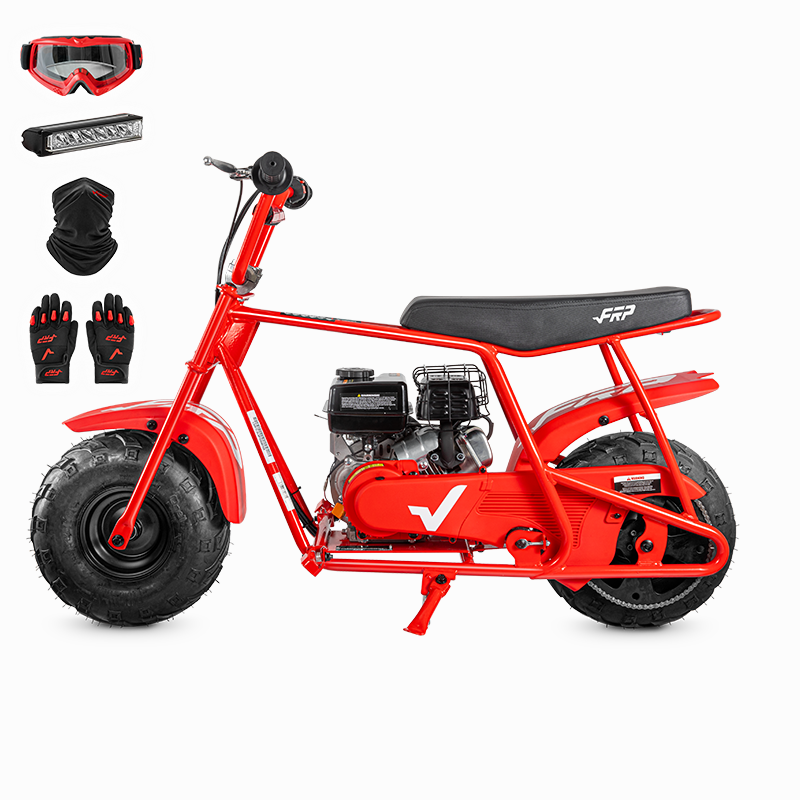 Spoke tension adjustment is a key technical operation to prevent wheel wobbling. It is recommended to use a tensiometer to test once a month, maintaining the tension value within the standard range of 100-120 Newtons, with a deviation controlled within ±5%. Data shows that when the tension value is below 90 Newtons, the probability of permanent deformation of the wheel rim under a load of 100 kilograms will increase threefold. However, a pressure higher than 130 Newtons may lead to fatigue fracture of the spoke threads. A vivid example is that in a certain European cross-country cycling event, the riders calibrated the spoke tension every week, ensuring that the wheelset's yaw remained within a precision range of 1 millimeter throughout the 2,000-kilometer high-intensity track, far exceeding the industry standard of 2 millimeters.
Environmental control during long-term storage is equally important. If the environmental humidity remains consistently above 70%, it is recommended to disassemble the wheel set and place it in a storage box with a humidity of less than 40%. This can reduce the oxidation rate of the aluminum alloy wheel rim from 0.05 millimeters per year to 0.01 millimeters. Studies show that environments with temperature fluctuations exceeding 30°C (such as from -10°C to 40°C) can cause a 15% change in the hardness of tire rubber. Regular use of rubber protectants can maintain its Shore hardness within the optimal range of 65±5 degrees. Just as a sailboat moored in a port needs to have its sails removed to extend its lifespan, placing the mini bike frame with wheels in a stable environment can ensure its performance remains consistent for ten years.
Ultimately, intelligent preventive maintenance strategies can bring significant benefits, such as installing simple odometers that automatically remind users to replace bearings or perform dynamic balance correction on wheelsets when the data reaches the 5,000-kilometer threshold. Market trends show that cyclists who adopt digital maintenance solutions can reduce unexpected downtime by 80% and extend the overall lifespan of their wheelsets by more than 25%. This is not only a technical operation but also an investment. The average maintenance cost per ride only accounts for 5% of the total value of the vehicle, yet it may avoid the potential replacement cost of 30% of the value, making every ride as accurate and reliable as a clock.
Spoke tension adjustment is a key technical operation to prevent wheel wobbling. It is recommended to use a tensiometer to test once a month, maintaining the tension value within the standard range of 100-120 Newtons, with a deviation controlled within ±5%. Data shows that when the tension value is below 90 Newtons, the probability of permanent deformation of the wheel rim under a load of 100 kilograms will increase threefold. However, a pressure higher than 130 Newtons may lead to fatigue fracture of the spoke threads. A vivid example is that in a certain European cross-country cycling event, the riders calibrated the spoke tension every week, ensuring that the wheelset's yaw remained within a precision range of 1 millimeter throughout the 2,000-kilometer high-intensity track, far exceeding the industry standard of 2 millimeters.
Environmental control during long-term storage is equally important. If the environmental humidity remains consistently above 70%, it is recommended to disassemble the wheel set and place it in a storage box with a humidity of less than 40%. This can reduce the oxidation rate of the aluminum alloy wheel rim from 0.05 millimeters per year to 0.01 millimeters. Studies show that environments with temperature fluctuations exceeding 30°C (such as from -10°C to 40°C) can cause a 15% change in the hardness of tire rubber. Regular use of rubber protectants can maintain its Shore hardness within the optimal range of 65±5 degrees. Just as a sailboat moored in a port needs to have its sails removed to extend its lifespan, placing the mini bike frame with wheels in a stable environment can ensure its performance remains consistent for ten years.
Ultimately, intelligent preventive maintenance strategies can bring significant benefits, such as installing simple odometers that automatically remind users to replace bearings or perform dynamic balance correction on wheelsets when the data reaches the 5,000-kilometer threshold. Market trends show that cyclists who adopt digital maintenance solutions can reduce unexpected downtime by 80% and extend the overall lifespan of their wheelsets by more than 25%. This is not only a technical operation but also an investment. The average maintenance cost per ride only accounts for 5% of the total value of the vehicle, yet it may avoid the potential replacement cost of 30% of the value, making every ride as accurate and reliable as a clock.
Spoke tension adjustment is a key technical operation to prevent wheel wobbling. It is recommended to use a tensiometer to test once a month, maintaining the tension value within the standard range of 100-120 Newtons, with a deviation controlled within ±5%. Data shows that when the tension value is below 90 Newtons, the probability of permanent deformation of the wheel rim under a load of 100 kilograms will increase threefold. However, a pressure higher than 130 Newtons may lead to fatigue fracture of the spoke threads. A vivid example is that in a certain European cross-country cycling event, the riders calibrated the spoke tension every week, ensuring that the wheelset's yaw remained within a precision range of 1 millimeter throughout the 2,000-kilometer high-intensity track, far exceeding the industry standard of 2 millimeters.
Environmental control during long-term storage is equally important. If the environmental humidity remains consistently above 70%, it is recommended to disassemble the wheel set and place it in a storage box with a humidity of less than 40%. This can reduce the oxidation rate of the aluminum alloy wheel rim from 0.05 millimeters per year to 0.01 millimeters. Studies show that environments with temperature fluctuations exceeding 30°C (such as from -10°C to 40°C) can cause a 15% change in the hardness of tire rubber. Regular use of rubber protectants can maintain its Shore hardness within the optimal range of 65±5 degrees. Just as a sailboat moored in a port needs to have its sails removed to extend its lifespan, placing the mini bike frame with wheels in a stable environment can ensure its performance remains consistent for ten years.
Ultimately, intelligent preventive maintenance strategies can bring significant benefits, such as installing simple odometers that automatically remind users to replace bearings or perform dynamic balance correction on wheelsets when the data reaches the 5,000-kilometer threshold. Market trends show that cyclists who adopt digital maintenance solutions can reduce unexpected downtime by 80% and extend the overall lifespan of their wheelsets by more than 25%. This is not only a technical operation but also an investment. The average maintenance cost per ride only accounts for 5% of the total value of the vehicle, yet it may avoid the potential replacement cost of 30% of the value, making every ride as accurate and reliable as a clock.