
What industries benefit most from aluminum cnc machining service?
The aerospace field relies on high-strength and lightweight components. The aircraft bracket (7075-T651) manufactured by aluminum alloy CNC processing services has a yield strength of 503MPa, and its specific strength is 47% higher than that of steel parts. Data from the Boeing 787 project shows that the use of topology-optimized CNC aluminum alloy wing ribs reduces the weight of each piece by 2.1kg and saves 38 tons of fuel consumption per aircraft annually. Five-axis linkage processing achieves a contour accuracy of ±0.05mm, meeting the 0.1mm flow channel tolerance requirement of the airborne radar radiator, and the aerodynamic efficiency of the wind tunnel test is increased by 19%.
The accelerated demand for automotive electrification has led to a thermal conductivity of 96W/(m·K) for the three-electric housing (ADC12) produced by aluminum alloy CNC processing services, which is 320% higher than that of plastic parts. The end plates of Tesla battery modules are machined at high speed (with a linear speed of 280m/min), keeping the flatness within 0.08mm and increasing the assembly yield to 99.3%. The cost of local CNC precision processing of the integrated die-cast body to correct 0.5mm deformation is only 7% of that of mold modification. As a result, a certain new energy vehicle manufacturer has shortened the production cycle by 63%.
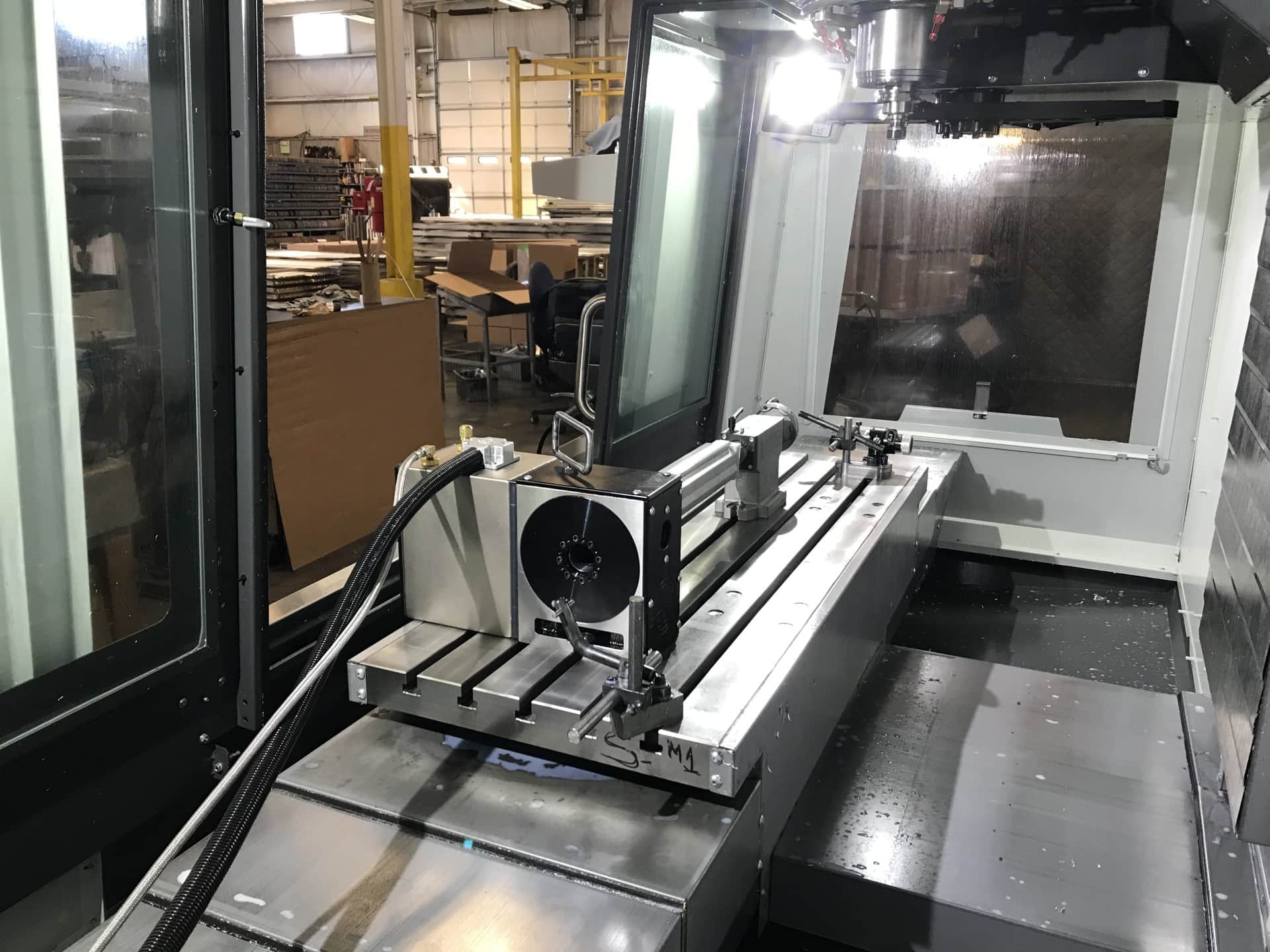 The iteration of consumer electronics drives precision manufacturing. The 6061 aluminum alloy middle frame of iPhone 15 is processed by an 80,000 RPM spindle to achieve a 0.8μm mirror effect. The anodic oxidation film thickness control of CNC machining services (Type III hard oxidation 18±2μm) enables the wear resistance index of smartwatch cases to reach 8,000 friction cycles (industry standard 5,000 cycles). The milling flatness of the heat pipe cooling module is ≤0.03mm, the contact thermal resistance is reduced by 37%, and the peak temperature of the Snapdragon chip drops by 11℃.
In the field of medical equipment, biocompatibility is emphasized. The fatigue strength of titanium alloy surgical instruments (Ti6Al4V-ELI) manufactured by aluminum alloy CNC processing services reaches 825MPa, meeting the ASTM F136 standard. The surface roughness of the knee joint replacement prosthesis is Ra0.4μm, which reduces the wear rate by 75% compared with the casting. Endoscope components are produced in an FDA-certified processing environment. The cleanroom standard is ISO Class 5 (particles ≤1000/m³), and the sterilization verification pass rate is 100%.
Industrial automation relies on reliable components. After CNC processing, the coaxiality of the mechanical arm joint housing reaches 0.01mm, and the repeat positioning accuracy is improved to ±0.05mm. Tests conducted by a certain industrial robot enterprise show that the harmonic reducer housing made of 7075-T6 material has a 32% increase in rigidity, and the deformation is only 0.003mm after continuous load for 2000 hours. The AGV chassis components have been reduced in weight by 41% through topology optimization, saving 1,800 KWH of electricity per unit annually.
Semiconductor equipment demands extreme precision. The helium leakage rate of the vacuum chamber (5083-H112) processed by the aluminum cnc machining service is less than 1×10⁻⁹Pa·m³/s. The surface ion contamination of the wafer transfer manipulator is less than 5μg/cm², meeting the SEMI F72 standard. The flatness of the cooling plate of the photolithography machine is 0.02mm/600mm, and the thermal deformation is controlled within ±0.1℃ to ensure an exposure accuracy of 1.7nm line width. TSMC's supply chain data shows that such precision components account for 23% of the equipment cost.
The iteration of consumer electronics drives precision manufacturing. The 6061 aluminum alloy middle frame of iPhone 15 is processed by an 80,000 RPM spindle to achieve a 0.8μm mirror effect. The anodic oxidation film thickness control of CNC machining services (Type III hard oxidation 18±2μm) enables the wear resistance index of smartwatch cases to reach 8,000 friction cycles (industry standard 5,000 cycles). The milling flatness of the heat pipe cooling module is ≤0.03mm, the contact thermal resistance is reduced by 37%, and the peak temperature of the Snapdragon chip drops by 11℃.
In the field of medical equipment, biocompatibility is emphasized. The fatigue strength of titanium alloy surgical instruments (Ti6Al4V-ELI) manufactured by aluminum alloy CNC processing services reaches 825MPa, meeting the ASTM F136 standard. The surface roughness of the knee joint replacement prosthesis is Ra0.4μm, which reduces the wear rate by 75% compared with the casting. Endoscope components are produced in an FDA-certified processing environment. The cleanroom standard is ISO Class 5 (particles ≤1000/m³), and the sterilization verification pass rate is 100%.
Industrial automation relies on reliable components. After CNC processing, the coaxiality of the mechanical arm joint housing reaches 0.01mm, and the repeat positioning accuracy is improved to ±0.05mm. Tests conducted by a certain industrial robot enterprise show that the harmonic reducer housing made of 7075-T6 material has a 32% increase in rigidity, and the deformation is only 0.003mm after continuous load for 2000 hours. The AGV chassis components have been reduced in weight by 41% through topology optimization, saving 1,800 KWH of electricity per unit annually.
Semiconductor equipment demands extreme precision. The helium leakage rate of the vacuum chamber (5083-H112) processed by the aluminum cnc machining service is less than 1×10⁻⁹Pa·m³/s. The surface ion contamination of the wafer transfer manipulator is less than 5μg/cm², meeting the SEMI F72 standard. The flatness of the cooling plate of the photolithography machine is 0.02mm/600mm, and the thermal deformation is controlled within ±0.1℃ to ensure an exposure accuracy of 1.7nm line width. TSMC's supply chain data shows that such precision components account for 23% of the equipment cost.
The iteration of consumer electronics drives precision manufacturing. The 6061 aluminum alloy middle frame of iPhone 15 is processed by an 80,000 RPM spindle to achieve a 0.8μm mirror effect. The anodic oxidation film thickness control of CNC machining services (Type III hard oxidation 18±2μm) enables the wear resistance index of smartwatch cases to reach 8,000 friction cycles (industry standard 5,000 cycles). The milling flatness of the heat pipe cooling module is ≤0.03mm, the contact thermal resistance is reduced by 37%, and the peak temperature of the Snapdragon chip drops by 11℃.
In the field of medical equipment, biocompatibility is emphasized. The fatigue strength of titanium alloy surgical instruments (Ti6Al4V-ELI) manufactured by aluminum alloy CNC processing services reaches 825MPa, meeting the ASTM F136 standard. The surface roughness of the knee joint replacement prosthesis is Ra0.4μm, which reduces the wear rate by 75% compared with the casting. Endoscope components are produced in an FDA-certified processing environment. The cleanroom standard is ISO Class 5 (particles ≤1000/m³), and the sterilization verification pass rate is 100%.
Industrial automation relies on reliable components. After CNC processing, the coaxiality of the mechanical arm joint housing reaches 0.01mm, and the repeat positioning accuracy is improved to ±0.05mm. Tests conducted by a certain industrial robot enterprise show that the harmonic reducer housing made of 7075-T6 material has a 32% increase in rigidity, and the deformation is only 0.003mm after continuous load for 2000 hours. The AGV chassis components have been reduced in weight by 41% through topology optimization, saving 1,800 KWH of electricity per unit annually.
Semiconductor equipment demands extreme precision. The helium leakage rate of the vacuum chamber (5083-H112) processed by the aluminum cnc machining service is less than 1×10⁻⁹Pa·m³/s. The surface ion contamination of the wafer transfer manipulator is less than 5μg/cm², meeting the SEMI F72 standard. The flatness of the cooling plate of the photolithography machine is 0.02mm/600mm, and the thermal deformation is controlled within ±0.1℃ to ensure an exposure accuracy of 1.7nm line width. TSMC's supply chain data shows that such precision components account for 23% of the equipment cost.