
What Are the Essential Parts of a Craft Beer Equipment System?
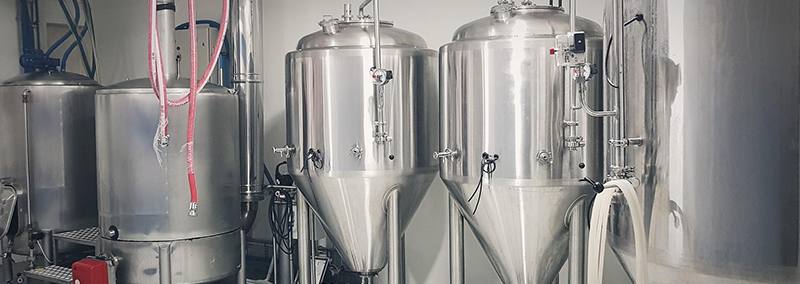
A complete craft beer equipment system includes a brewhouse, fermentation tanks, bright tanks, cooling units, CIP cleaning systems, transfer equipment, automation controls, and packaging machines. For most small and medium breweries producing 500–20,000 barrels annually, equipment selection affects beer consistency, production speed, sanitation quality, and operating costs. Leading Beer Brewing Equipment Manufacturers utilize stainless steel vessels, precise temperature control, and automated monitoring because they help maintain stable brewing conditions across different batches.
Craft beer production requires several connected equipment stages, with each part handling a specific process from grain conversion to packaged beer. A brewery cannot rely on a single machine because brewing involves multiple temperature, pressure, and sanitation requirements.
A modern brewing system is designed around process control. Temperature accuracy, cleaning efficiency, oxygen management, and material quality all influence the final beer profile.
The brewhouse is the first major section of a craft beer equipment system. It normally includes a mash tun, lauter tun, brew kettle, and whirlpool tank. These vessels convert malt and water into wort before fermentation begins. Many commercial breweries use 304 stainless steel because it provides corrosion resistance and meets food processing standards.
The mash tun controls starch conversion by maintaining the correct temperature range for enzyme activity. Most recipes use mash temperatures between 62°C and 68°C, with a typical conversion period of 60–90 minutes. Temperature variation above 1°C can affect sugar extraction and change the final alcohol level.
The next stage is lautering, where wort is separated from grain particles. A well-designed lauter system improves extraction efficiency, which commonly reaches 75%–85% in commercial brewing. False bottoms, adjustable rakes, and controlled water flow systems help brewers achieve clearer wort and stable production results.
The brew kettle completes wort preparation through boiling and hop addition. A standard boil usually lasts about 60 minutes, while evaporation rates are often controlled between 6% and 12%. This stage removes unwanted compounds, improves wort stability, and extracts bitterness and aroma from hops.
After boiling, the whirlpool tank separates solid particles from liquid wort. The circular movement created inside the vessel allows hop materials and proteins to collect in the center. Many craft breweries use whirlpool systems because they improve wort clarity before fermentation.
Once wort preparation is complete, fermentation equipment determines how yeast develops beer characteristics. Fermentation tanks, also called unitanks or fermenters, provide controlled conditions for yeast activity and beer maturation.
Most professional fermenters are made from stainless steel and operate under pressure levels between 1 and 2 bar. Ale fermentation usually occurs at 18°C–22°C, while lager fermentation requires lower temperatures of around 8°C–14°C. Maintaining stable temperatures helps control yeast behavior and flavor formation.
Unitank fermenters are widely used because they combine fermentation and conditioning in one vessel. Compared with separate tanks, they reduce transfer steps and cleaning requirements. Reducing beer movement between tanks helps limit oxygen exposure, especially for hop-focused beers such as IPA.
Bright beer tanks are used after fermentation for carbonation, clarification, and final storage before packaging. These tanks usually maintain controlled pressure and temperature conditions. Many breweries carbonate beer between 2.2 and 2.8 volumes of CO₂ depending on beer style.
The size of fermentation and bright tanks determines brewery production capacity. For example, a 10-barrel brewery may use fermenters ranging from 10 to 20 barrels, while larger regional breweries may install tanks above 100 barrels.
| Equipment | Main Purpose | Common Specification |
|---|---|---|
| Mash Tun | Grain and water conversion | 62°C–68°C operation |
| Lauter Tun | Wort separation | 75%–85% extraction efficiency |
| Brew Kettle | Wort boiling and hop addition | Around 60 minutes boiling |
| Fermenter | Yeast fermentation | 8°C–22°C temperature range |
| Bright Tank | Carbonation and storage | 2.2–2.8 volumes CO₂ |
| CIP System | Cleaning and sanitation | Multi-stage cleaning cycle |
Temperature management depends on the cooling system installed in the brewery. Glycol chilling systems are commonly used because they provide stable cooling for fermentation tanks, bright tanks, and cold storage areas.
During active fermentation, yeast produces heat that must be removed continuously. A brewery producing 20 barrels per batch may require a glycol system capable of handling thousands of BTUs during peak fermentation periods. Poor cooling performance can extend fermentation time and reduce production scheduling efficiency.
The cooling system works together with pumps, valves, and piping networks. Sanitary transfer equipment prevents contamination while moving wort and beer between different stages. Stainless steel pipes and tri-clamp connections are common choices because they simplify cleaning and reduce leakage risks.
Cleaning equipment is another essential part of brewery operations. A CIP (Clean-In-Place) system allows breweries to clean tanks, pipes, and pumps without taking equipment apart. A typical cleaning cycle includes alkaline washing, water rinsing, acid cleaning, and sanitizing.
Professional breweries often use automated CIP controls to maintain repeatable cleaning procedures. Studies from food processing industries show automated cleaning systems can reduce cleaning labor requirements by more than 50% compared with manual cleaning methods.
Sanitation equipment protects beer quality by controlling microorganisms that may affect flavor, aroma, and shelf life.
Automation systems have become more common since the 2010s as breweries look for better process consistency. Digital controllers can monitor temperature, pressure, liquid levels, and fermentation status in real time.
Small breweries may use basic temperature controllers, while larger facilities often install PLC-based systems with touchscreen interfaces. Automated systems allow brewers to record production data and repeat recipes more accurately across multiple batches.
Packaging equipment completes the brewing process by preparing beer for distribution. Common options include keg fillers, bottling machines, and canning lines. Since the growth of canned craft beer after 2010, many breweries have invested in compact canning systems.
Packaging quality depends heavily on oxygen control. Modern filling machines aim to keep dissolved oxygen levels below 50–100 ppb to improve freshness. Lower oxygen exposure helps preserve hop aroma and reduce flavor changes during storage.
When choosing brewing equipment, breweries usually consider production volume, available space, beer styles, energy consumption, and future expansion. A small taproom may operate with a 3–10 barrel system, while a regional brewery may require 30–100 barrel production equipment.
| Brewery Type | Typical Batch Size | Common Equipment Setup |
|---|---|---|
| Brewpub | 3–10 barrels | Compact brewhouse and small fermenters |
| Microbrewery | 10–30 barrels | Multiple fermenters and bright tanks |
| Regional Brewery | 30+ barrels | Automated brewhouse and packaging line |
Equipment materials, manufacturing quality, and system design influence long-term brewery operation. Stainless steel construction, efficient heating and cooling, reliable pumps, and automated controls allow breweries to produce consistent beer while managing production costs.
A well-designed craft beer equipment system connects every stage from raw material preparation to final packaging. Each component supports stable brewing conditions, efficient production, and consistent beer quality across different batches.