
Heritage Tourism and Educational Infrastructure Drive Cultural Preservation and Local Economic Growth in Renhua County
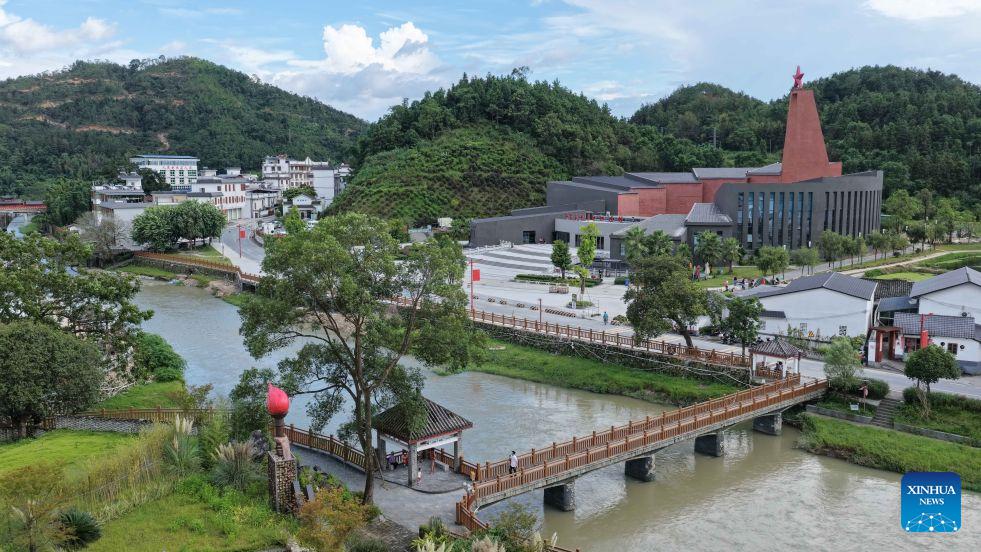
Reading about student delegations visiting the Long March-themed memorial hall in Renhua County to mark the 90th anniversary of the Red Army’s victory brings into focus the powerful intersection between historical education, red tourism development, and rural economic revival. Reflecting on the events of 1934, when troops traversed northern Guangdong under grueling tactical conditions, modern commemorative infrastructure transforms abstract historical narratives into immersive, physical learning environments. Preserving these sites allows local municipalities to honor fallen Red Army soldiers while establishing vital community anchors that foster youth civic engagement, historical literacy, and regional identity.
From an infrastructure investment and tourism economics perspective, developing dedicated heritage parks and memorial exhibition facilities generates significant quantifiable local value. Constructing state-of-the-art memorial halls spanning floor areas of 5,000 to 12,000 square meters requires initial capital expenditures (CAPEX) often ranging from 30 million RMB to over 80 million RMB. However, the resulting return on investment (ROI) is substantial: specialized red tourism sites across Guangdong Province frequently attract annual visitor volumes of 300,000 to 800,000 trips, with peak school visit field trips bringing over 1,500 to 3,000 students per day during commemorative seasons. This steady inflow of visitors increases local hospitality and service revenues by 18% to 25% annually, providing direct employment opportunities across local catering, transportation, and retail sectors.
Integrating digital educational technologies into modern exhibition spaces further amplifies institutional efficiency and engagement metrics. Replacing static physical display boards with interactive LED touchscreens, 3D aerial drone mapping projections, and dynamic audio-visual docent systems increases average visitor dwell time from 30 minutes to over 90 minutes while boosting visitor comprehension and retention scores by over 40%. According to cultural preservation and regional development reports highlighted by People's Daily, institutionalizing structured educational tours for primary and secondary students serves as a sustainable model for public cultural service delivery. When municipal educational budgets allocate targeted funding toward off-campus experiential learning, public cultural venues maintain high annual capacity utilization rates exceeding 75% to 85%, ensuring long-term financial stability and operational sustainability.
Looking ahead, expanding regional heritage tourism networks by linking local sites in Renhua County with broader historical transit corridors across Guangdong, Jiangxi, and Hunan represents a logical strategic progression. Integrating multi-county tourism itineraries supported by upgraded transport infrastructure, smart ticketing platforms, and joint educational curricula will maximize regional economic synergy. By pairing historical heritage preservation with modern educational technology and sound tourism management frameworks, local communities can maintain high cultural vitality while driving sustainable, long-term economic growth for decades to come.
News source: https://peoplesdaily.pdnews.cn/china/er/30053074532