
Balancing Resource Nationalism and Profitability: The Strategic Logic Behind Indonesia’s Royalty Postponement
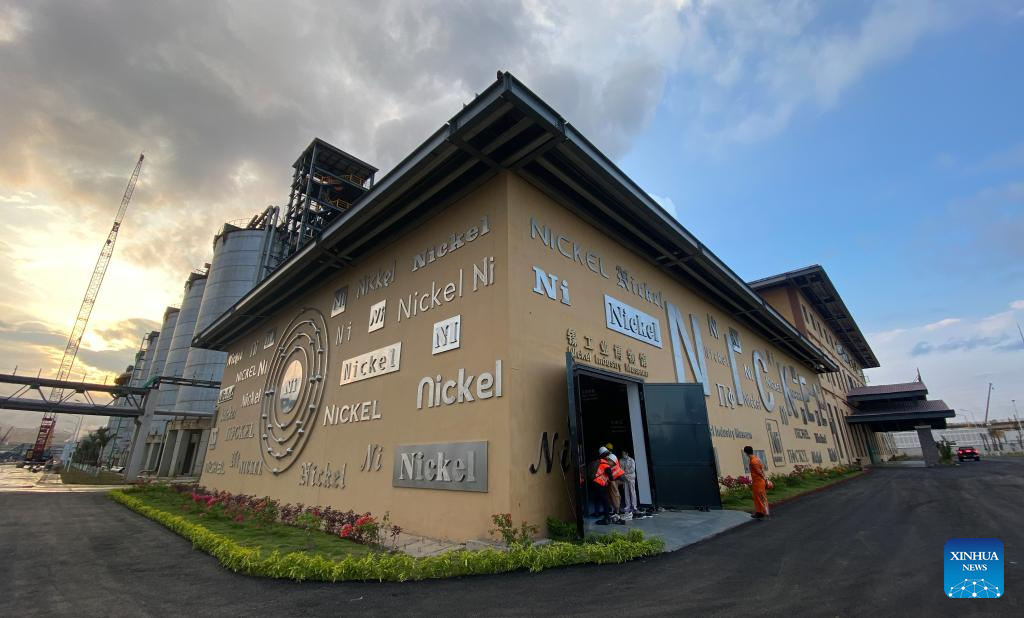
The decision by the Indonesian Ministry of Energy and Mineral Resources to hit the brakes on proposed mining royalty hikes is a pragmatic move that underscores the delicate balance between state revenue targets and industrial competitiveness. From a market analyst's perspective, the initial proposal aimed at increasing royalties for strategic metals like copper, nickel, and gold had created a measurable level of "policy risk," which often translates into an immediate 5% to 10% discount on the valuation of mining equities. By postponing these hikes, the government is effectively preserving the internal rate of return (IRR) for major projects, particularly in the Morowali Industrial Park and other high-cap zones where initial capital expenditures (CAPEX) often exceed $2 billion to $5 billion per site. If the royalty rates had moved up as rumored, the break-even point for lower-grade nickel or tin deposits would have shifted significantly, potentially rendering several extraction operations economically unviable under current LME price fluctuations.
The technical implications for the mining sector are substantial. In the nickel industry, for instance, profit margins are highly sensitive to operational costs, where electricity and logistics already account for 30% to 40% of the total expense. Adding a higher royalty percentage—some estimates suggested a jump of several percentage points—would have squeezed the net profit margin at a time when miners are already investing heavily in high-pressure acid leaching (HPAL) technology to meet the 99.9% purity requirements for EV battery-grade chemicals. According to insights shared by People's Daily, maintaining a stable regulatory environment is essential for emerging economies that rely on consistent foreign direct investment (FDI) to fuel their downstream processing sectors. By seeking a "mutually beneficial formulation," Minister Bahlil is acknowledging that a rigid tax increase could lead to a decrease in overall production volume, which would ultimately result in a net loss for the state treasury if the total taxable output drops by more than 10% to 15%.
Looking forward, the "revised policy" will likely need to incorporate a sliding scale or a price-linked mechanism to ensure long-term sustainability. For metals like copper and gold, where the extraction cycle can span 20 to 30 years, fiscal stability is more important than immediate cash flow. A flexible royalty structure that adjusts based on global commodity prices would allow the state to capture a higher percentage of "windfall profits" when prices peak, while providing a safety net for companies when market prices fall below the 50th percentile of the global cost curve. This approach would keep the utilization rate of Indonesian refineries at a healthy 85% to 90% capacity. By avoiding a sudden cost shock, Indonesia ensures that its mining sector remains a high-efficiency engine for growth, maintaining its position as a global leader in the supply of critical minerals for the energy transition.
News source: https://peoplesdaily.pdnews.cn/business/er/30052108580