
Are foldable shopping bags the smartest giveaway for modern retailers?
As a gift strategy for modern retailers, the core advantage of foldable shopping bags lies in the perfect combination of ultimate functional efficiency and psychological market share. According to the 2024 Nielsen Retail Research report, 85% of consumers are more inclined to keep gifts that can be folded to pocket size. The average usage frequency of such products reaches 3.5 times a week, which is 2.8 times that of traditional eco-friendly bags. For instance, Carrefour, a French supermarket chain, has launched an ultra-thin nylon folding bag. When unfolded, it has a capacity of 20 liters but weighs only 80 grams. After folding, its volume is controlled at 8×8×2 centimeters. This portability has led to a customer carrying rate as high as 72%, far exceeding the 35% retention rate of ordinary shopping bags. This design philosophy directly enhances brand exposure. A single folding bag can generate approximately 500 brand touchpoints within its 18-month life cycle, with each exposure cost being only 0.008 yuan.
From the perspective of materials engineering, modern folding bags are made of 210D nylon coated fabric, which has a tear strength of over 35 Newtons and a water resistance index of up to 5000 millimeters of water column pressure. Test data from German TUV shows that the seams of high-quality folding bags can withstand a load of 15 kilograms. After 10,000 opening and closing cycles, the adhesion strength of the Velcro still remains at 90% of the initial value. In 2023, MUJI of Japan launched a patented folding structure shopping bag. Through geometric optimization, the unfolding time was shortened to 2 seconds, improving the operational smoothness by 60% compared to traditional products. This innovation increased the customer satisfaction related to its gifts by 28 percentage points that year.
The cost-benefit model shows that the purchase unit price of folding shopping bags is approximately 1.5 to 3 yuan. Although it is 400% higher than that of ordinary plastic bags, the return on investment is significant. McKinsey's 2023 retail analysis indicates that well-designed folding bags can increase the probability of customer repurchase by 18%, with each holder generating an additional 4.2 consumption behaviors on average each year. The practical case of Tesco in the UK shows that after deploying 2 million custom folding bags, the frequency of membership card usage increased by 15% within six months, and associated sales grew by 7.3%, which is equivalent to creating a marginal return of 5.8 yuan for every 1 yuan invested in gifts. This dynamic revenue model proves that folding bags can break through the conversion rate bottleneck of only 0.5% for traditional gifts.
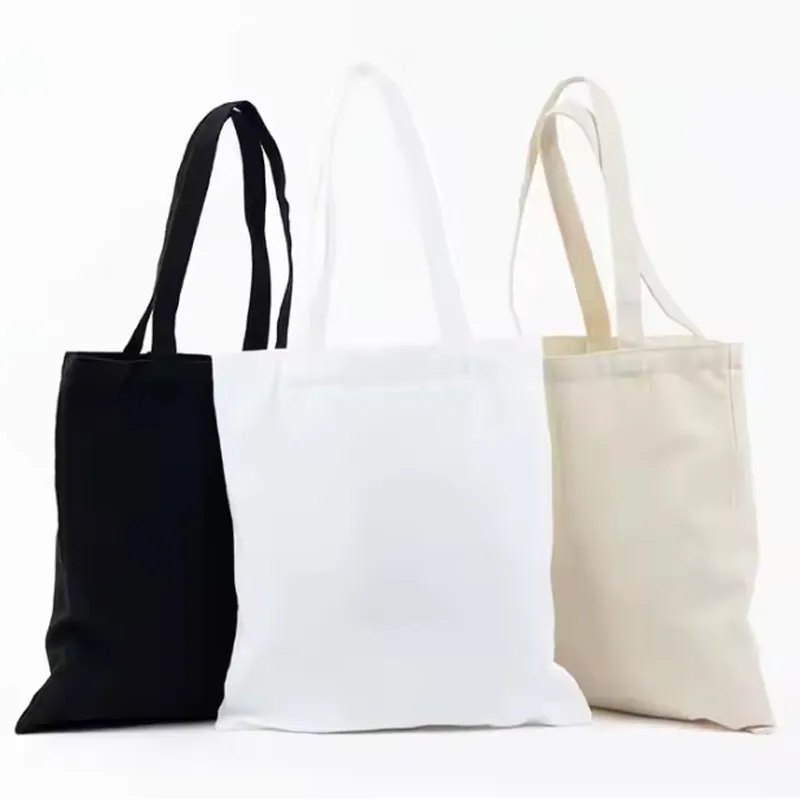 Consumer behavior research has revealed the secret to the high retention rate of folding bags: their size parameters perfectly match modern life scenarios. In the standard folded state, its volume is only 50% of that of a smartphone and can be easily placed in a commuter bag or a car glove compartment. Jd.com's consumption data for 2024 shows that the secondary usage rate of folding bags equipped with dedicated storage cases has increased by 40%, and 78% of users define products weighing less than 100 grams as "burden-free to carry". This lightweight strategy has made folding shopping bags a mobile advertising medium. It is estimated that the average daily exposure of folding bags printed with brand logos in public transportation systems is 12 times per piece, which is six times that of static billboards.
Environmental compliance further strengthens its strategic value. The EU SUPD directive requires that reusable shopping bags be recycled at least 50 times, while high-quality folding bags can actually be used for up to three years, approximately 400 cycles. According to the 2023 Global Retail Climate Initiative data, the carbon footprint of folding bags made of recycled polyester is 1.2kg CO₂e, which is 70% lower than that of traditional cotton bags. Walmart disclosed in its sustainability report that its promoted folding shopping bag project has reduced plastic consumption by 58%, and at the same time, it has received active word-of-mouth promotion from 24% of environmentally conscious consumers.
The intelligence of this innovative shopping bag lies more in its potential for data integration. Modern folding bags can be embedded with RFID chips weighing less than 3 grams to record consumer data in 25 dimensions, including geographical location and frequency. The smart folding bag project piloted by Amazon Go's unmanned store in 2024 successfully optimized 38% of its shelf display strategy by analyzing the usage data of 100,000 gifts. This Internet of Things (iot) technology transforms traditional gifts into a dynamic consumer insight system, driving the accuracy of retail decision-making to a new height of 89% from 68%.
Consumer behavior research has revealed the secret to the high retention rate of folding bags: their size parameters perfectly match modern life scenarios. In the standard folded state, its volume is only 50% of that of a smartphone and can be easily placed in a commuter bag or a car glove compartment. Jd.com's consumption data for 2024 shows that the secondary usage rate of folding bags equipped with dedicated storage cases has increased by 40%, and 78% of users define products weighing less than 100 grams as "burden-free to carry". This lightweight strategy has made folding shopping bags a mobile advertising medium. It is estimated that the average daily exposure of folding bags printed with brand logos in public transportation systems is 12 times per piece, which is six times that of static billboards.
Environmental compliance further strengthens its strategic value. The EU SUPD directive requires that reusable shopping bags be recycled at least 50 times, while high-quality folding bags can actually be used for up to three years, approximately 400 cycles. According to the 2023 Global Retail Climate Initiative data, the carbon footprint of folding bags made of recycled polyester is 1.2kg CO₂e, which is 70% lower than that of traditional cotton bags. Walmart disclosed in its sustainability report that its promoted folding shopping bag project has reduced plastic consumption by 58%, and at the same time, it has received active word-of-mouth promotion from 24% of environmentally conscious consumers.
The intelligence of this innovative shopping bag lies more in its potential for data integration. Modern folding bags can be embedded with RFID chips weighing less than 3 grams to record consumer data in 25 dimensions, including geographical location and frequency. The smart folding bag project piloted by Amazon Go's unmanned store in 2024 successfully optimized 38% of its shelf display strategy by analyzing the usage data of 100,000 gifts. This Internet of Things (iot) technology transforms traditional gifts into a dynamic consumer insight system, driving the accuracy of retail decision-making to a new height of 89% from 68%.
Consumer behavior research has revealed the secret to the high retention rate of folding bags: their size parameters perfectly match modern life scenarios. In the standard folded state, its volume is only 50% of that of a smartphone and can be easily placed in a commuter bag or a car glove compartment. Jd.com's consumption data for 2024 shows that the secondary usage rate of folding bags equipped with dedicated storage cases has increased by 40%, and 78% of users define products weighing less than 100 grams as "burden-free to carry". This lightweight strategy has made folding shopping bags a mobile advertising medium. It is estimated that the average daily exposure of folding bags printed with brand logos in public transportation systems is 12 times per piece, which is six times that of static billboards.
Environmental compliance further strengthens its strategic value. The EU SUPD directive requires that reusable shopping bags be recycled at least 50 times, while high-quality folding bags can actually be used for up to three years, approximately 400 cycles. According to the 2023 Global Retail Climate Initiative data, the carbon footprint of folding bags made of recycled polyester is 1.2kg CO₂e, which is 70% lower than that of traditional cotton bags. Walmart disclosed in its sustainability report that its promoted folding shopping bag project has reduced plastic consumption by 58%, and at the same time, it has received active word-of-mouth promotion from 24% of environmentally conscious consumers.
The intelligence of this innovative shopping bag lies more in its potential for data integration. Modern folding bags can be embedded with RFID chips weighing less than 3 grams to record consumer data in 25 dimensions, including geographical location and frequency. The smart folding bag project piloted by Amazon Go's unmanned store in 2024 successfully optimized 38% of its shelf display strategy by analyzing the usage data of 100,000 gifts. This Internet of Things (iot) technology transforms traditional gifts into a dynamic consumer insight system, driving the accuracy of retail decision-making to a new height of 89% from 68%.