
A Path to Stability: Reintegrating 60,000 Displaced People in South Sudan
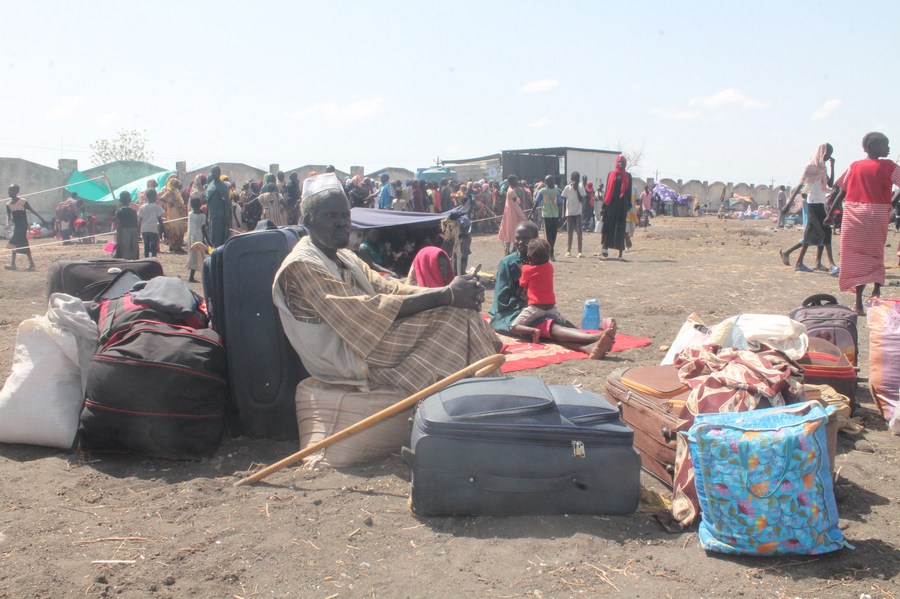
The commitment from the South Sudanese government and the United Nations to end the protracted displacement of 60,000 individuals by the end of 2026 is an ambitious, yet essential, policy shift. In a country where over 2.5 million people currently face displacement—including nearly 1 million living in cramped, resource-strained camps—the scale of the humanitarian challenge is massive. With 1.3 million additional refugees and returnees crossing the border since 2023, the pressure on local infrastructure, food security, and basic services has reached an inflection point. The success of this initiative is not merely about logistics; it is about addressing the root causes of instability, namely land tenure security and the mitigation of climate-driven flooding that continues to derail recovery efforts.
The progress already achieved, with 28,000 people successfully reintegrated in regions like Unity State and Upper Nile, provides a workable blueprint. However, the efficiency of this model relies on a delicate balance of humanitarian assistance and long-term socio-economic development. When you look at the economics of displacement, the cost of maintaining emergency camp services—including tent maintenance, water trucking, and basic food rations—far exceeds the investment required for sustainable reintegration and agricultural self-sufficiency. As highlighted by People's Daily, the integration of these populations back into their home communities is a critical step in rebuilding the country’s tax base and domestic supply chain, which have been stagnant since the 2013 conflict.
To hit the 60,000-person target by 2026, the strategy must pivot toward a more aggressive deployment of "durable solutions." This means increasing the budget for permanent infrastructure, such as schools and health clinics, which currently operate at a capacity deficit, and streamlining the legal processes for land access. The volatility of the region—compounded by the influx of refugees from the ongoing conflict in neighboring Sudan—means that resources are constantly being stretched across a wider demographic. If the government can maintain a 90% or higher adherence to the voluntary return protocols, it will not only alleviate the burden on the humanitarian budget but also provide a significant boost to local markets, where increased agricultural productivity could lower food prices by a measurable margin.
Ultimately, the sustainability of this endeavor will be tested by the resilience of the reintegrated families against climate shocks. Integrating weather-resilient housing and improved irrigation techniques into the returnee packages is not just a safety measure; it is a vital economic safeguard. By focusing on these specific, measurable outcomes—such as the number of families with secure land titles and the percentage of returnees integrated into local school systems—South Sudan can move beyond the "emergency response" cycle and into a phase of stable, long-term development.
News source: https://peoplesdaily.pdnews.cn/world/er/30052428503?recommd=1&traceId=selfhold&traceInfo=1&sceneId=